Holla Rolla: A Creative Font for Handmade Projects
It was a quiet afternoon in my workshop when I first opened the Holla Rolla font. I had been working on a set of candle labels, trying to find the perfect text that would match the cozy, rustic vibe of the product. The moment I saw Holla Rolla, I knew I had found it. Its playful curves and elegant flourishes gave the labels a charm that felt both modern and nostalgic.
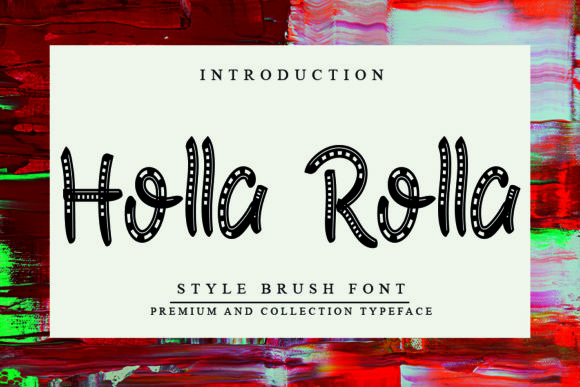
Holla Rolla is a display font with a unique personality. It carries a sense of whimsy and creativity, making it ideal for handmade projects. With its soft, flowing lines and subtle variations in stroke weight, it feels like it was crafted by hand rather than designed on a computer. This makes it a great fit for anything from greeting cards to boutique packaging.
Bringing Holla Rolla to Life on Handmade Products
I started by testing Holla Rolla on a few different materials. First, I used it for a set of birthday invitations. The font’s gentle curves paired beautifully with watercolor backgrounds, giving the invitations a warm and personal feel. Next, I tried it on a batch of mugs I was designing for a small shop. The font worked well on the curved surface, and the readability was excellent even at smaller sizes.
For digital printables, Holla Rolla adds a touch of elegance. I recently created a set of printable wall art featuring seasonal greetings, and the font helped elevate the design from simple to sophisticated. The same goes for planner pages and stickers—Holla Rolla brings a sense of fun and individuality to every piece.
One of my favorite uses has been for product tags. Whether it’s for a handmade soap or a vintage-style tote bag, the font adds character without overwhelming the design. It’s also worked well for signage, especially farmhouse-style signs with a touch of modern flair.
Using Holla Rolla for Different Projects
Holla Rolla is incredibly versatile. It works well for short phrases, names, titles, and decorative wording. I’ve used it for everything from wedding invitations to holiday tags. It’s not ideal for long paragraphs of text, but that’s where its display nature shines—it’s meant to be seen, not read for extended periods.
When pairing Holla Rolla with other fonts, I find it pairs beautifully with clean sans serif fonts for a balanced look. For example, using a sans serif font for body text and Holla Rolla for headings creates a nice contrast. It also looks great with simple serif fonts or bold display fonts when you want to add more visual interest.
Before using Holla Rolla for any commercial project, I always check the included styles, alternates, ligatures, swashes, weights, file formats, multilingual support, and commercial font licensing. These details are crucial for ensuring the font works well for your specific needs and that you’re allowed to use it in your products or digital downloads.
Design Tips for Using Holla Rolla
When working with cutting machines like Cricut or Silhouette, I recommend testing the font on a small scale first. Holla Rolla can be a bit intricate, so it’s important to ensure it cuts cleanly without any issues. I also pay attention to how it looks on small stickers and product labels—sometimes adjusting the size or spacing helps maintain clarity.
For printed cards and mockup previews, I often pair Holla Rolla with a complementary color palette. Soft pastels work well for a gentle look, while bold colors can make the font stand out even more. When creating listing images or physical merchandise, I make sure the font is legible and fits the overall aesthetic of the product.
Another tip is to experiment with different textures and backgrounds. Holla Rolla can look stunning on matte finishes, linen paper, or even wood signs. The right texture can enhance the font’s natural charm and make it feel more organic.
Whether you’re designing for your own handmade shop or creating digital templates for others, Holla Rolla offers a creative way to express your brand’s personality. Its unique style can help your products stand out, create emotional appeal, and build customer recognition over time.